Lip Flip: A Subtle Lift for Your Upper Lip and Smile
A softer, fuller-looking upper lip, without filler.
A lip flip is a few tiny Botox injections along the upper lip border. They relax the muscle just enough for the lip to roll gently outward, so it shows a little more and looks fuller, with no filler added. It starts to show in about 2 days, with the full effect at about 2 weeks.
Imagine a smile that shows a touch more lip, lipstick that sits just right, and a mouth that looks soft and rested in every photo. People tend to notice "you look lovely," not "you had something done."
My honest take on the lip flip
- I look at your smile first, at rest and in motion, before I plan a single point.
- It's subtle by design. Nothing is added, so the shape stays yours. If you want more fullness, I'll suggest filler, and sometimes I combine the two.
- I'll tell you if it's not the right fix. If your gums or bite cause a gummy smile, I'll point you to the right specialist.
- Timing matters for some people. It can briefly change certain sounds, so performers and speakers should plan ahead.
How does a lip flip work?
The muscle that opens and closes your mouth is a round muscle called the orbicularis oris, and it does double duty, for expression and for function: smiling, kissing, sipping through a straw, and shaping sounds like P, B, M and O. In a lip flip, I place a few tiny units of neuromodulator along just the upper edge of that muscle, so it relaxes there and your lip gently rolls out. I keep it that precise so those everyday movements stay as natural as possible, and nothing is added, so the shape stays yours.
How soon will I see a lip flip, and how long does it last?
You'll start to see a change in about 2 days, and the full effect at about 2 weeks. A lip flip usually lasts 3 to 4 months.
Lip flip or lip filler: which is right for you?
A lip flip changes how the lip sits. Filler adds volume and shape. If you want a subtle lift, a flip may be all you need. If you'd like more fullness, lip filler with the RHA® Collection may suit you better. I sometimes combine a lip flip with lip filler, for a lip that sits a little higher and has a touch more fullness.
Can a lip flip help a gummy smile?
Sometimes, and it depends on what's causing it. A gummy smile simply means more gum shows when you smile than you'd like. Gummy smiles come in different types:
- Anterior: extra gum shows across the front teeth, from canine to canine.
- Posterior: extra gum shows toward the back teeth, at the sides of the smile.
- Mixed: both the front and the sides.
- Asymmetric: one side shows more gum than the other.
The cause matters even more than the type: - A very active or short upper lip. The muscles that lift the lip pull it higher than usual when you smile. This is the kind I treat with injections in my office. Small, precise injections relax those lifting muscles, so the lip rests lower over the gums. The points I choose depend on whether your gummy smile is anterior, posterior, mixed or asymmetric, and they're a little different from a classic lip flip, so I'll plan the right approach for your smile. - Gums covering more of the teeth than usual, or extra gum tissue. Here the teeth look short because the gum line sits low. That's best treated by a dentist or periodontist, often with a gum-contouring procedure. - The upper jaw or teeth sitting lower or longer, a skeletal or dental cause. That's a job for an orthodontist or oral surgeon.
Often more than one cause is at play. I'll look at your smile at rest and in motion, and if your gums or bite are the main reason, I'll tell you honestly and point you to the right specialist.
Two types of gummy smile I see: the lip that rolls under and the lip that lifts too high
There are two types of gummy smile I see most often when the lip itself is the cause, and they're treated at different points.
- The upper lip rolls under when you smile. As you smile, the upper lip rolls under, so the pink of the lip almost disappears and more gum shows. The round muscle around the mouth, the orbicularis oris, is pulling the lip under. This is where a lip flip helps: a few tiny injections right at the upper lip border relax that edge, so the lip stays turned out and covers more of the gum.
- The upper lip lifts too high when you smile. Here the lip shortens and rises well above the teeth. The muscles that lift the lip are doing too much: the levator labii superioris alaeque nasi beside the nose, the levator labii superioris, and the zygomaticus minor. Small injections beside the nose, where these three muscles come together (an area often called the Yonsei point), soften that upward pull so the lip rests lower over the gums.
Many people have a little of both, and I sometimes combine the two approaches. A lip flip starts to show in about 2 days, with the full effect at about 2 weeks, and usually lasts 3 to 4 months.

What to know before you book: speech and timing
One honest note: for a short while, a lip flip can change how you make certain sounds, and sipping through a straw or whistling may feel different. If you're a public speaker, actor or singer, let's talk about timing before an important performance.
Who is it right for?
It's a lovely option for people of every skin tone who want a natural-looking lift, a softer gummy smile caused by an active lip, or a first step before filler.
What happens at your visit?
We look at your smile together, at rest and in motion, then I place a few small injections. Afterward you can usually go about your day.
Pair it with Fotona LipLase for lip texture, or explore masseter Botox and all neuromodulators.
Medically reviewed by Doris Day, MD
or call (212) 772-0740
Questions? We’ve Got Answers.
What is a lip flip?
How long does a lip flip take to work, and how long does it last?
Can a lip flip fix a gummy smile?
What are the two types of gummy smile?
Is a lip flip better than lip filler?
Will a lip flip affect my speech?
Who performs the lip flip?
Medically reviewed by Doris Day, MD, FAAD
Dr. Day’s Pro Tips
See All
How To Age Gracefully: My Pro-Aging Skin Routine
The Key to The Perfect Skincare Routine For Men
Retinol Isn't Just For The Face
Skin Health From The Inside and Out

Your Skin Health May Be Affecting Your Mental Health

Treat Mom (or yourself) to the Gift of Self-Care
The Real Reason Why You Should Be Wearing Sunscreen

[Q&A Session] How Can I Regain Lost Collagen?

[The Guide] The Role of Vitamins in Skin Health
Rosacea Awareness

[Q&A Session] My neck makes me feel bad. Are there solutions?

[The Routine] Dynamic Duos

[The Science ] of Longevity: A Skin Focused Approach

[Q&A Session] Unlock the Secrets of Nighttime Skin Renewal

[The Science] of Skin Care Advice

[The Science] Root Cause of Hair Loss

[The Guide] 3 Steps to Layering Skincare Products

[The Guide] ❄️ Strategies for Winterproofing Your Skin

[The Routine] 🎊 Kick off the New Year & Detoxify your Skin!

[The Science] of Body Retinol: Understanding Its Benefits for Skin Health

[The Guide] How Can We All Make A Difference on Giving Tuesday

[The Routine] National Healthy Skin Month: Anti-Aging Rock Stars You Need in Your Routine

[Q&A Session] Can Cleansing Take the Place of Exfoliating?

[The Routine] The Power of Pumpkin

[Q&A Session] Help! Is it Rosacea or Change of Seasons?

[The Guide] to Peptides: Unveiling the Power of Peptides

[The Routine] Transitioning Your Skin Care from Summer to Fall

[The Science] of Radiant Skin

[The Routine] Adding an Extra Boost to Your Skincare Regimen
The Science: New Data on Preventing Acne
The Science of Sunscreen
The Guide: What is Retinol and Why You Need to Know
The Science of Hair Care

Autumn Skin Care Tips
7 Myths About Your Skin

Live Sunlight is Good For You

Breathe Your Way to Beautiful Skin
Combat Dry Skin and Cool Weather

Skincare for the Seasons
Masks, and Maskne Are Still a Thing
Summer Skincare
Acne Update: Facts You May Not Know
Supercharged Sunscreen: What It Means and Why You Need To Know

Pre, Pro, and Post Biotics 101

Organic, Clean and Natural Beauty, Oh My! Navigating Buzzwords in Skin Care
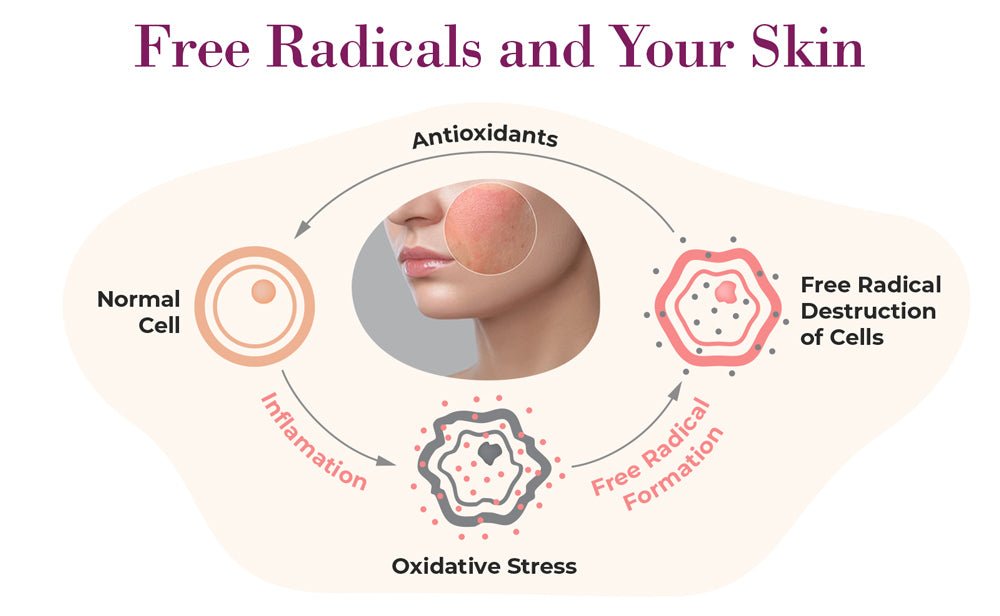
Free Radicals and Antioxidants: One of These is Not Like the Other

Celebrating the Best of Beauty this Holiday Season

How to Manage the Effects of Stress on Your Skin
Maskne: How It Happens and How to Fix It