

Ozempic Face Treatment
Your weight loss is something to celebrate, and your face should feel like it's celebrating with you.
Picture recognizing the rested face you remember in a group photo, a cheekbone that catches the light again when you laugh, and friends asking how you did it, without adding "you look tired."
What causes Ozempic face?
"Ozempic face" describes the hollower cheeks and temples and looser skin that can follow fast weight loss on GLP-1 medications such as Ozempic, Wegovy, Mounjaro and Zepbound. The cause is the speed of the fat loss, not the medication itself.
How is Ozempic face treated?
Filler restores shape, collagen stimulators rebuild support, and skin treatments restore firmness. At our Upper East Side, NYC practice, every injection is given by Dr. Doris Day herself, with a natural, conservative approach for every skin tone. Fillers and the RHA Collection restore shape right away.
Can Sculptra help Ozempic face?
Yes. Sculptra and Radiesse prompt your skin to rebuild its own collagen over a series of visits, so support returns gradually and naturally. Many faces do best with a combination.
Skin quality after GLP-1 weight loss
Microneedling with radiofrequency, Fotona skin tightening, Moxi and Sofwave restore firmness and glow. Watch Dr. Day talk about Ozempic face and Sofwave on Fox 5 Good Day New York.
Ozempic Face Treatment at a glance
| Areas | Temples, cheeks, under-eyes, jawline, skin quality |
|---|---|
| Approach | Fillers, collagen stimulators and skin treatments, often combined |
| Plan | Staged over several visits, refined as weight settles |
or call (212) 772-0740
Questions? We’ve Got Answers.
What is Ozempic face?
Is it caused by the medication itself?
What are the signs of volume loss after weight loss?
What is the best treatment for Ozempic face?
Is Sculptra or filler better for me?
Should I wait until I reach my goal weight?
What helps skin quality and tightening?
Can skincare help while I'm losing weight?
Does it happen with Wegovy, Mounjaro or Zepbound too?
Medically reviewed by Doris Day, MD, FAAD
Dr. Day’s Pro Tips
See All
How To Age Gracefully: My Pro-Aging Skin Routine

The Key to The Perfect Skincare Routine For Men
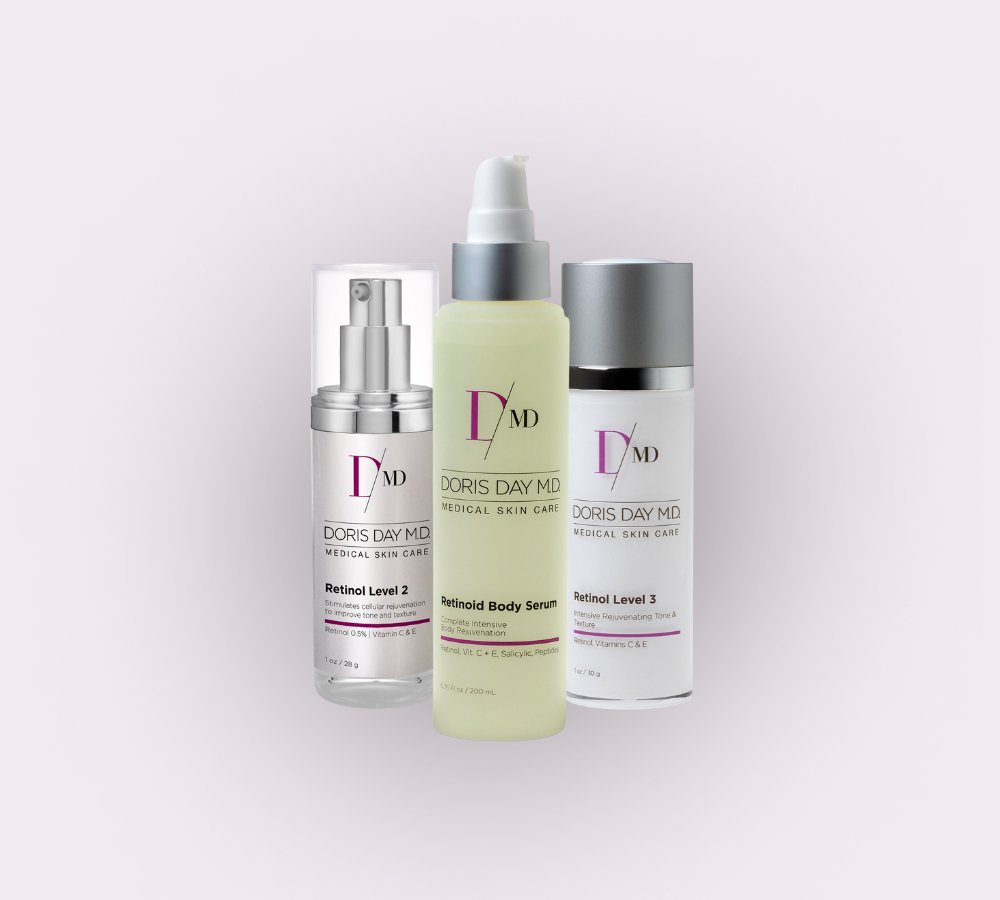
Retinol Isn't Just For The Face

Skin Health From The Inside and Out

Your Skin Health May Be Affecting Your Mental Health

Treat Mom (or yourself) to the Gift of Self-Care

The Real Reason Why You Should Be Wearing Sunscreen

[Q&A Session] How Can I Regain Lost Collagen?

[The Guide] The Role of Vitamins in Skin Health

Rosacea Awareness

[Q&A Session] My neck makes me feel bad. Are there solutions?

[The Routine] Dynamic Duos

[The Science ] of Longevity: A Skin Focused Approach

[Q&A Session] Unlock the Secrets of Nighttime Skin Renewal

[The Science] of Skin Care Advice

[The Science] Root Cause of Hair Loss

[The Guide] 3 Steps to Layering Skincare Products

[The Guide] ❄️ Strategies for Winterproofing Your Skin

[The Routine] 🎊 Kick off the New Year & Detoxify your Skin!

[The Science] of Body Retinol: Understanding Its Benefits for Skin Health

[The Guide] How Can We All Make A Difference on Giving Tuesday

[The Routine] National Healthy Skin Month: Anti-Aging Rock Stars You Need in Your Routine

[Q&A Session] Can Cleansing Take the Place of Exfoliating?

[The Routine] The Power of Pumpkin

[Q&A Session] Help! Is it Rosacea or Change of Seasons?

[The Guide] to Peptides: Unveiling the Power of Peptides

[The Routine] Transitioning Your Skin Care from Summer to Fall

[The Science] of Radiant Skin

[The Routine] Adding an Extra Boost to Your Skincare Regimen

The Science: New Data on Preventing Acne

The Science of Sunscreen

The Guide: What is Retinol and Why You Need to Know

The Science of Hair Care

Autumn Skin Care Tips

7 Myths About Your Skin

Live Sunlight is Good For You

Breathe Your Way to Beautiful Skin

Combat Dry Skin and Cool Weather

Skincare for the Seasons

Masks, and Maskne Are Still a Thing

Summer Skincare

Acne Update: Facts You May Not Know

Supercharged Sunscreen: What It Means and Why You Need To Know

Pre, Pro, and Post Biotics 101

Organic, Clean and Natural Beauty, Oh My! Navigating Buzzwords in Skin Care

Free Radicals and Antioxidants: One of These is Not Like the Other

Celebrating the Best of Beauty this Holiday Season

How to Manage the Effects of Stress on Your Skin

Maskne: How It Happens and How to Fix It
