

Photodynamic Therapy
Photodynamic Therapy has been proven successful in treating actinic keratoses, some early stage cancers, acne, rosacea, sun damage, and other textural irregularities. Patients who complete a treatment series can see benefits such as lesion reduction or removal, a clearer complexion, a more even skin tone, and even reduced pore size.

What To Expect
How it works
PDT destroys abnormal cells by harnessing the power of a topical photo sensitizer called Levulan, or aminolevulinic acid (ALA), combined with a special light and molecular oxygen. ALA, a natural substance found throughout the body, is activated by light to destroy target tissue cells.
The dermatological community regards PDT as an effective method for treating actinic keratoses (AK’s) and Bowen's disease, leaving you with clearer skin that also shows improvement of fine lines and blotchy pigment.
PDT also has the power to minimize pores, reduce oil production, and kill acne causing bacteria, effectively treating stubborn acne vulgaris, acne rosacea, and even the appearance of acne scars. Better yet, PDT acts not only to decrease active acne breakouts but also to reduce pore size, helping to prevent future acne by minimizing the breeding ground available to bacteria.
How we do it
For acne-related PDT treatment, you can expect to be in our office for about 30 minutes. Prior to the procedure, your skin will be prepped, ensuring skin is clean and free of all makeup, moisturizers, and sunscreens. The PDT protocol for acne involves sitting under the Blu-U light source with goggles on for an 18-minute session.
If you are getting PDT treatment for sun-damaged skin and/or precancerous lesions, your appointment will last approximately 90 minutes. Your skin will be prepped, ensuring skin is clean and free of all makeup, moisturizers, and sunscreens. Topical ALA will then be applied to your skin and will be allowed to incubate for approximately 1 hour. The protocol for AKs involves sitting under the light for 22 minutes.
Side effects
You may feel a very mild stinging when your skin is exposed to the light. After the session is complete, you should feel no pain. You can expect mild to moderate redness and scaling that may persist for up to 5 days, similar to a mild sunburn.
Time to full effect
Patients usually require at least 3 treatments spaced at 3 week intervals, with maintenance sessions recommended to achieve long term reduction in lesions.

Questions? We’ve Got Answers.
How does PDT work?
What are actinic keratoses?
Photodynamic Therapy at a glance
| Areas | Face Chest Leg Hands Body |
|---|---|
| Duration | 30 minutes for acne, 90 minutes for lesions |
| Frequency | Generally at least 3 treatments spaced 3 weeks apart |
Dr. Day’s Pro Tips
See All
How To Age Gracefully: My Pro-Aging Skin Routine
The Key to The Perfect Skincare Routine For Men
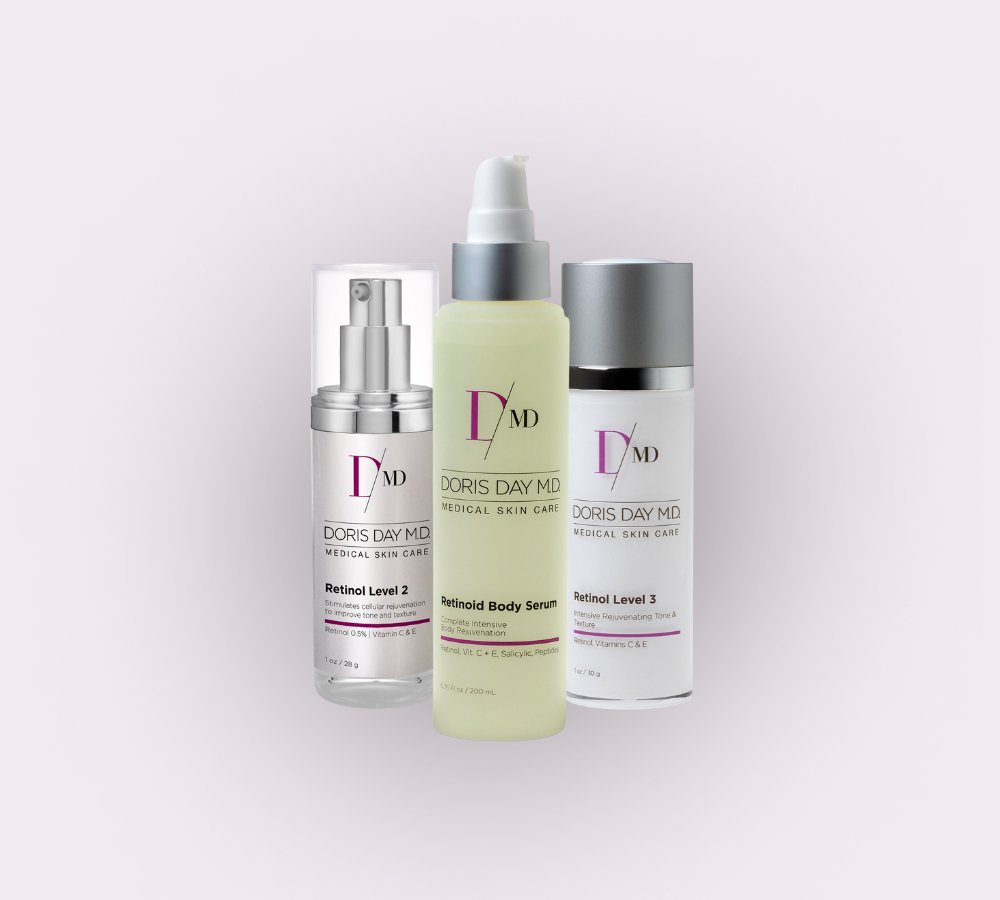
Retinol Isn't Just For The Face

Skin Health From The Inside and Out

Your Skin Health May Be Affecting Your Mental Health

Treat Mom (or yourself) to the Gift of Self-Care

The Real Reason Why You Should Be Wearing Sunscreen

[Q&A Session] How Can I Regain Lost Collagen?

[The Guide] The Role of Vitamins in Skin Health

Rosacea Awareness

[Q&A Session] My neck makes me feel bad. Are there solutions?

[The Routine] Dynamic Duos

[The Science ] of Longevity: A Skin Focused Approach

[Q&A Session] Unlock the Secrets of Nighttime Skin Renewal

[The Science] of Skin Care Advice

[The Science] Root Cause of Hair Loss

[The Guide] 3 Steps to Layering Skincare Products

[The Guide] ❄️ Strategies for Winterproofing Your Skin

[The Routine] 🎊 Kick off the New Year & Detoxify your Skin!

[The Science] of Body Retinol: Understanding Its Benefits for Skin Health

[The Guide] How Can We All Make A Difference on Giving Tuesday

[The Routine] National Healthy Skin Month: Anti-Aging Rock Stars You Need in Your Routine

[Q&A Session] Can Cleansing Take the Place of Exfoliating?

[The Routine] The Power of Pumpkin

[Q&A Session] Help! Is it Rosacea or Change of Seasons?

[The Guide] to Peptides: Unveiling the Power of Peptides

[The Routine] Transitioning Your Skin Care from Summer to Fall

[The Science] of Radiant Skin

[The Routine] Adding an Extra Boost to Your Skincare Regimen

The Science: New Data on Preventing Acne

The Science of Sunscreen

The Guide: What is Retinol and Why You Need to Know

The Science of Hair Care

Autumn Skin Care Tips

7 Myths About Your Skin

Live Sunlight is Good For You

Breathe Your Way to Beautiful Skin

Combat Dry Skin and Cool Weather

Skincare for the Seasons

Masks, and Maskne Are Still a Thing

Summer Skincare

Acne Update: Facts You May Not Know

Supercharged Sunscreen: What It Means and Why You Need To Know

Pre, Pro, and Post Biotics 101

Organic, Clean and Natural Beauty, Oh My! Navigating Buzzwords in Skin Care

Free Radicals and Antioxidants: One of These is Not Like the Other

Celebrating the Best of Beauty this Holiday Season

How to Manage the Effects of Stress on Your Skin

Maskne: How It Happens and How to Fix It
