Tixel
Tixel is a non-laser skin resurfacing treatment that uses controlled heat to improve skin texture, tone, fine lines, and overall skin quality. It can be used on all skin types, including delicate areas such as around the eyes.
Tixel at a glance
| Areas | Undereyes, Pei-oral, Body |
|---|---|
| Duration | 15-30 minutes |
| Frequency | 3-6 sessions at 4-6 week intervals. |
or call (212) 772-0740

What To Expect
How it works
Unlike a laser, Tixel uses a heated titanium tip that briefly touches the skin, creating tiny, controlled treatment zones. This thermal energy triggers the skin’s natural renewal process while minimizing damage to surrounding tissue.
How we do it
At our office, we customize Tixel based on your skin, concerns, and desired downtime. We can adjust the treatment to provide gentle rejuvenation or a more intensive resurfacing treatment, with special attention to delicate areas like the eyes.
Side effects
Downtime can vary - You may experience temporary redness, warmth, or mild swelling, but Tixel is designed to provide effective resurfacing with less downtime than more aggressive treatments.
Time to full effect
Some patients notice an improvement after just one treatment. Results continue to develop as the skin renews itself, and a series of treatments may be recommended depending on your goals. Dr. Day recommends 3-6 sessions depending on the area being treated.

Questions? We’ve Got Answers.
Is this treatment painful?
Is Tixel a laser?
Can Tixel be used on deeper skin tones?
Should I choose Tixel or a laser around my eyes?
Dr. Day’s Pro Tips
See All
How To Age Gracefully: My Pro-Aging Skin Routine
The Key to The Perfect Skincare Routine For Men
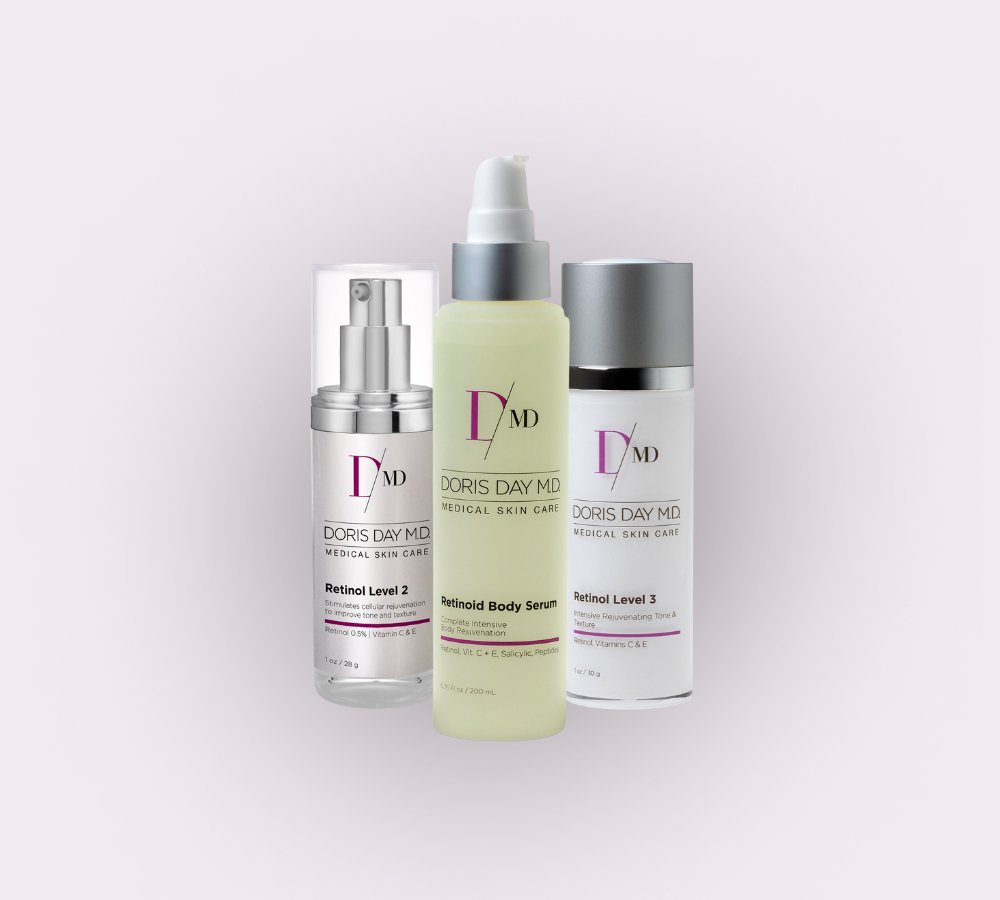
Retinol Isn't Just For The Face
Skin Health From The Inside and Out

Your Skin Health May Be Affecting Your Mental Health

Treat Mom (or yourself) to the Gift of Self-Care
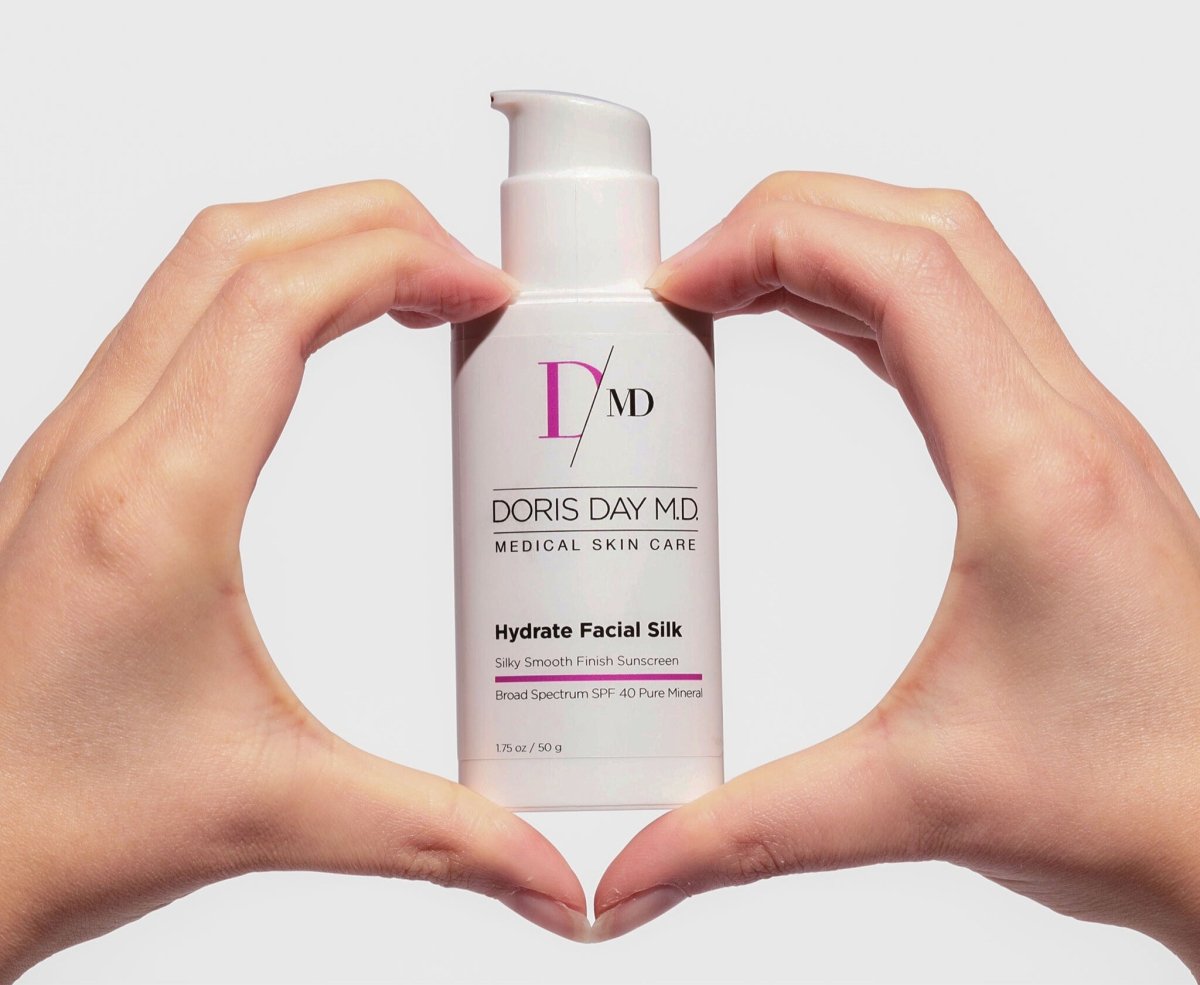
The Real Reason Why You Should Be Wearing Sunscreen

[Q&A Session] How Can I Regain Lost Collagen?

[The Guide] The Role of Vitamins in Skin Health
Rosacea Awareness

[Q&A Session] My neck makes me feel bad. Are there solutions?

[The Routine] Dynamic Duos

[The Science ] of Longevity: A Skin Focused Approach

[Q&A Session] Unlock the Secrets of Nighttime Skin Renewal

[The Science] of Skin Care Advice

[The Science] Root Cause of Hair Loss

[The Guide] 3 Steps to Layering Skincare Products

[The Guide] ❄️ Strategies for Winterproofing Your Skin

[The Routine] 🎊 Kick off the New Year & Detoxify your Skin!

[The Science] of Body Retinol: Understanding Its Benefits for Skin Health

[The Guide] How Can We All Make A Difference on Giving Tuesday

[The Routine] National Healthy Skin Month: Anti-Aging Rock Stars You Need in Your Routine

[Q&A Session] Can Cleansing Take the Place of Exfoliating?

[The Routine] The Power of Pumpkin

[Q&A Session] Help! Is it Rosacea or Change of Seasons?

[The Guide] to Peptides: Unveiling the Power of Peptides

[The Routine] Transitioning Your Skin Care from Summer to Fall

[The Science] of Radiant Skin

[The Routine] Adding an Extra Boost to Your Skincare Regimen
The Science: New Data on Preventing Acne
The Science of Sunscreen
The Guide: What is Retinol and Why You Need to Know
The Science of Hair Care

Autumn Skin Care Tips
7 Myths About Your Skin
Live Sunlight is Good For You

Breathe Your Way to Beautiful Skin
Combat Dry Skin and Cool Weather

Skincare for the Seasons
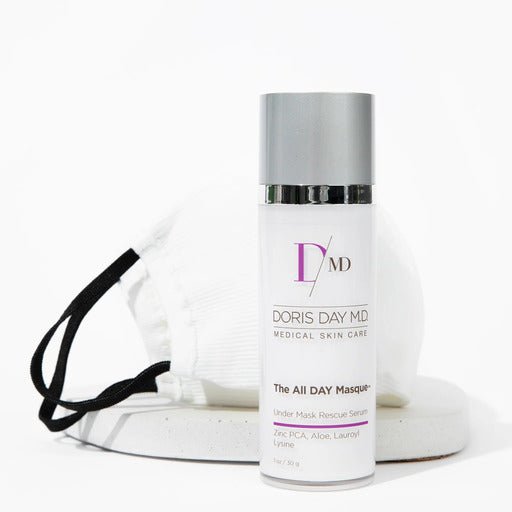
Masks, and Maskne Are Still a Thing

Summer Skincare
Acne Update: Facts You May Not Know
Supercharged Sunscreen: What It Means and Why You Need To Know

Pre, Pro, and Post Biotics 101

Organic, Clean and Natural Beauty, Oh My! Navigating Buzzwords in Skin Care
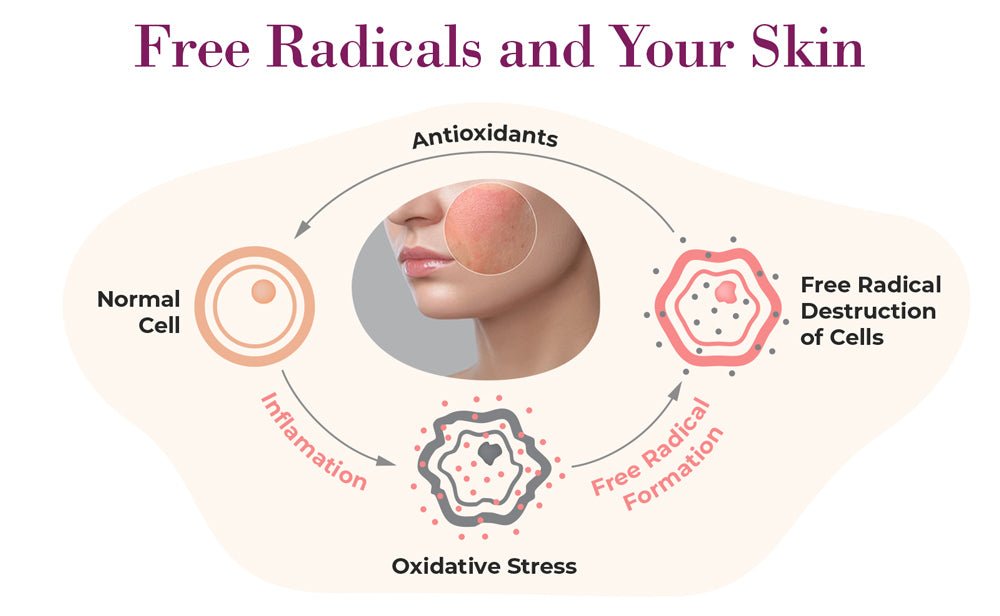
Free Radicals and Antioxidants: One of These is Not Like the Other

Celebrating the Best of Beauty this Holiday Season

How to Manage the Effects of Stress on Your Skin

Maskne: How It Happens and How to Fix It